By Arielle Bove, Head of Marketing at MVA.
First, an honest disclaimer
This inaugural MVA opinion sets out to explain two things. First, I will be talking a lot about wine. Second, I don’t know anything about it.
Yes, you read that right. Although I love wine, the legitimacy of my tastebuds comes from another world entirely — that of tea. My palate was trained to appreciate the complexity and distinctiveness of what is now called “speciality tea”: teas treated like a grand cru, meant to be savoured as a fine beverage.
Tea & wine: same story?
There are, surprisingly, numerous common points between tea and wine. Both are the result of the conjunction of a terroir, a tea or winemaker, and unique weather conditions. Both are identified through a vintage, and in both cases, that vintage can even be broken down by season. In Darjeeling, for example, teas are classified as Spring, Summer, or Autumn harvests — just as a Muscat from Alsace might be flagged as a Late Harvest wine.
After a few years in the tea industry, I started creating non-alcoholic beverages for Michelin-starred chefs — infusing and macerating fruit, herbs, spices, and all kinds of aromatic ingredients to craft blends that could be enjoyed alone or paired with food. I was never trying to imitate wine, and I never used dealcoholised wine as a base. But I explored wine as well, first because I liked it, and also because if you want to offer a non-alcoholic experience on par with millennia of winemaking, you’d better know the territory you’re in.
What we do at MVA
Our job at MVA is to source exceptional small-batch wines through a rigorous blind-tasting process for our members. We always invite a few winemaker friends to taste with us. And mind you, these people are not only friends. They are some of the most respected, critically acclaimed winemakers in the world, often producing wines from the most prestigious regions. They happen to be extremely modest and lovely. But the stuff they create sells for hundreds of dollars a bottle.
I’ve been doing this for six months now. It is still very early, and I am slowly learning more about wine. How it’s made, where it comes from, what winemakers are looking for when they make any given technical decision. But I definitely don’t blend in, and for a very simple reason: I don’t have the same vocabulary as my team and our winemaker friends. Not. At. All.
The intricacies of wine vocabulary
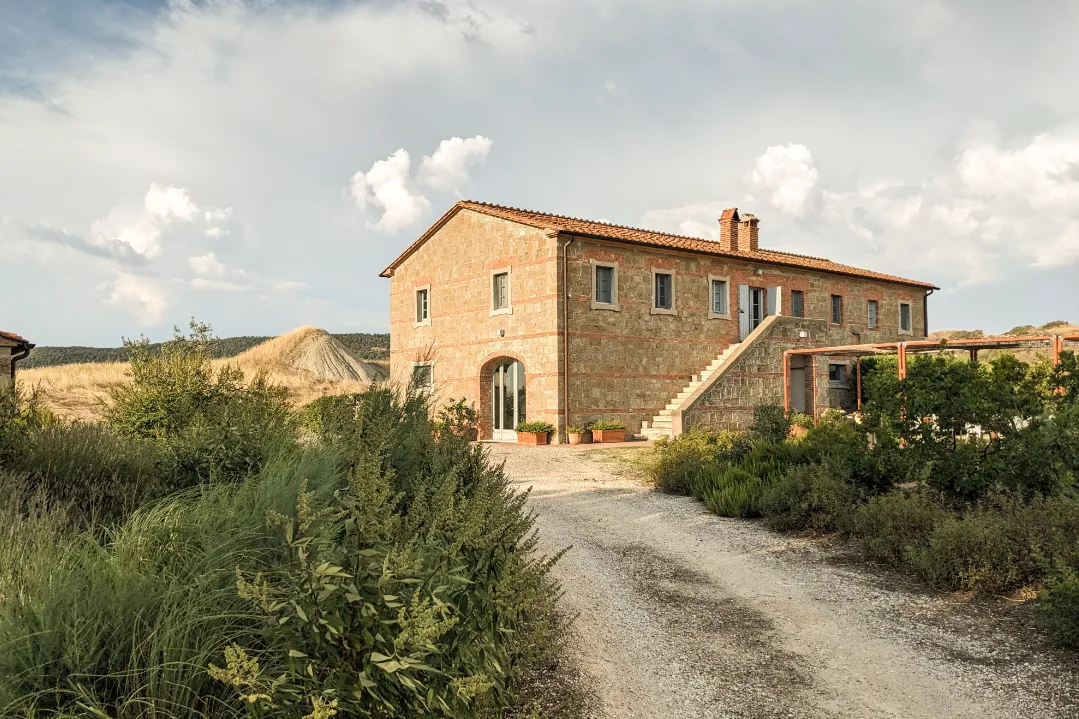
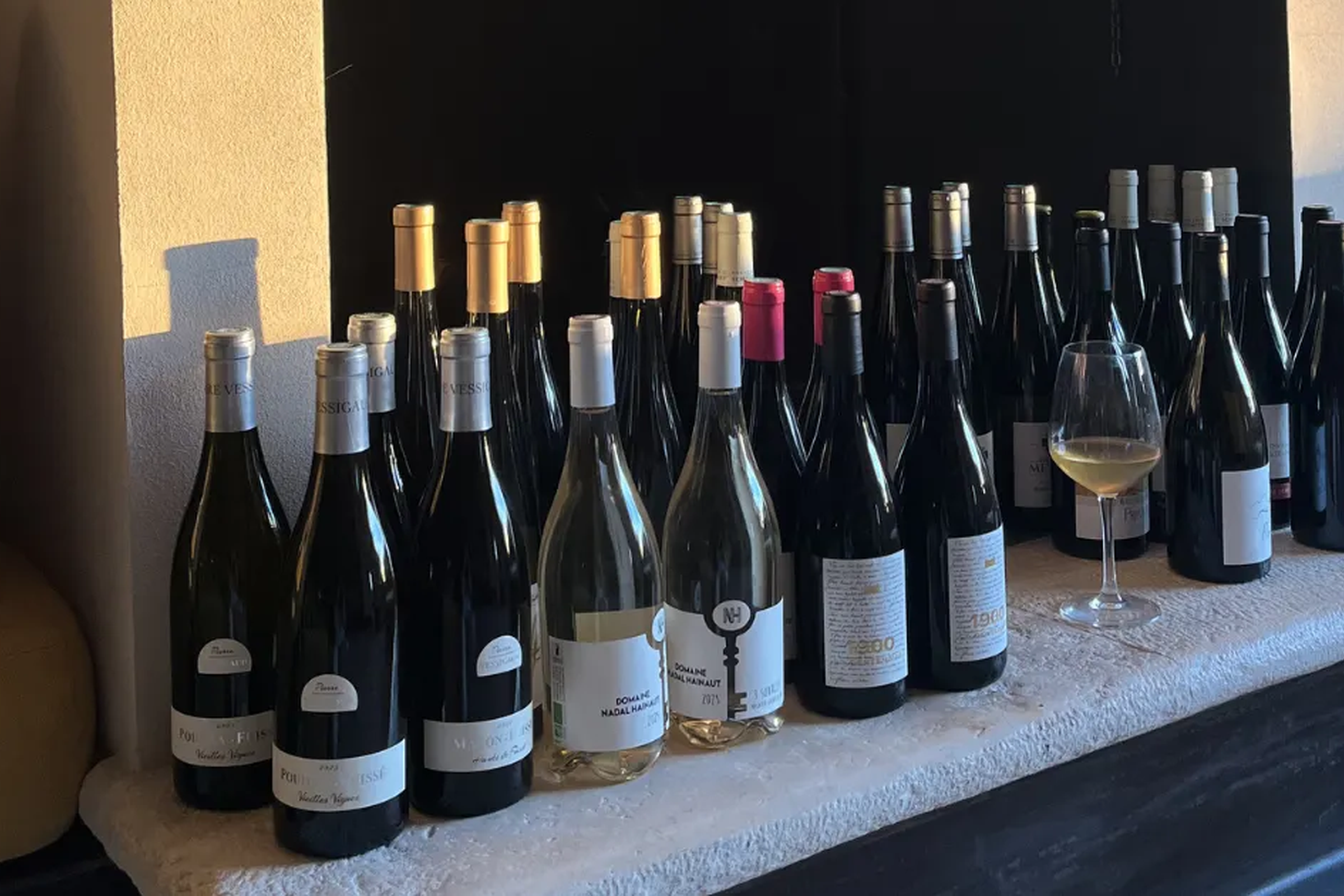
I remember the first blind tasting we did in Tuscany, to select the bottles featured in our 8th collection (a collection, in our own jargon, is a curated selection of 6 different wines). We tasted Spanish wines, as well as bottles from Alsace and the Loire Valley. It was a lot of work: we opened 38 bottles over two days. But it was wonderful, and I distinctly remember two cases of love at first sip: a Rioja with a lot of pepper, and a Gewurztraminer whose nose was like honeysuckle.
And that’s where my troubles began. As someone trained to taste tea and raw ingredients, my palate recognises things differently. Honeysuckle was not obvious to my fellow tasters, and roasted buckwheat raised even more eyebrows. At one point, I accidentally triggered a hysterical fit of giggles around the table by saying I didn’t like wine n°8 because it tasted like green beans.
My flavour memory includes things as unusual as nettles, pot-au-feu, Boston ivy (tasted by mistake as a child — I grabbed a leaf growing on the walls of my grandmother’s house; it turns out it has a pretty distinct bitter, dry taste), raw carrot, and timur pepper. My comments on the wines we taste tend to go along the lines of “this is like roasted pineapple, but without the sugar,” while the winemakers seated next to me say things like “it cleans my palate” or “it is well balanced.”
A process of fruitful disagreements
In spite of these differences, the tasting sessions with our community of winemakers have been my favourite part of the job. It’s not only that the people around the table have different tastes: they are also able to follow their emotions rather than a fully technical approach.
Mauro, a winemaker friend from Piedmont who joined us in Tuscany, loves delicate whites, which is surprising, given that his vineyard sits within one of the most prestigious appellations in the world, Barolo, home to some of the strongest, most tannic reds on the planet. Mauro makes lovely reds, but his heart belongs to clean, fresh whites, and as it turns out, he makes those too.
By contrast, I love heavy petroleum noses and dried-fruit notes. He experiences wine through texture first. I try to identify things that could be ingredients, if the wine weren’t made exclusively from grapes. We rarely agree. But when we do, it’s like a bridge cast between two worlds, and the bottle doesn’t last very long.
To conclude, another honest disclaimer
All of this is to say that this "opinion" section will feature a lot of what I like to call awkward tasting notes: I simply follow wherever my brain leads, in the hope that every strange note of nettle I detect will be an opportunity to spark debate and draw out conversations. Preferably with a glass in hand.